
Automotive Technology Innovations Driving the Future
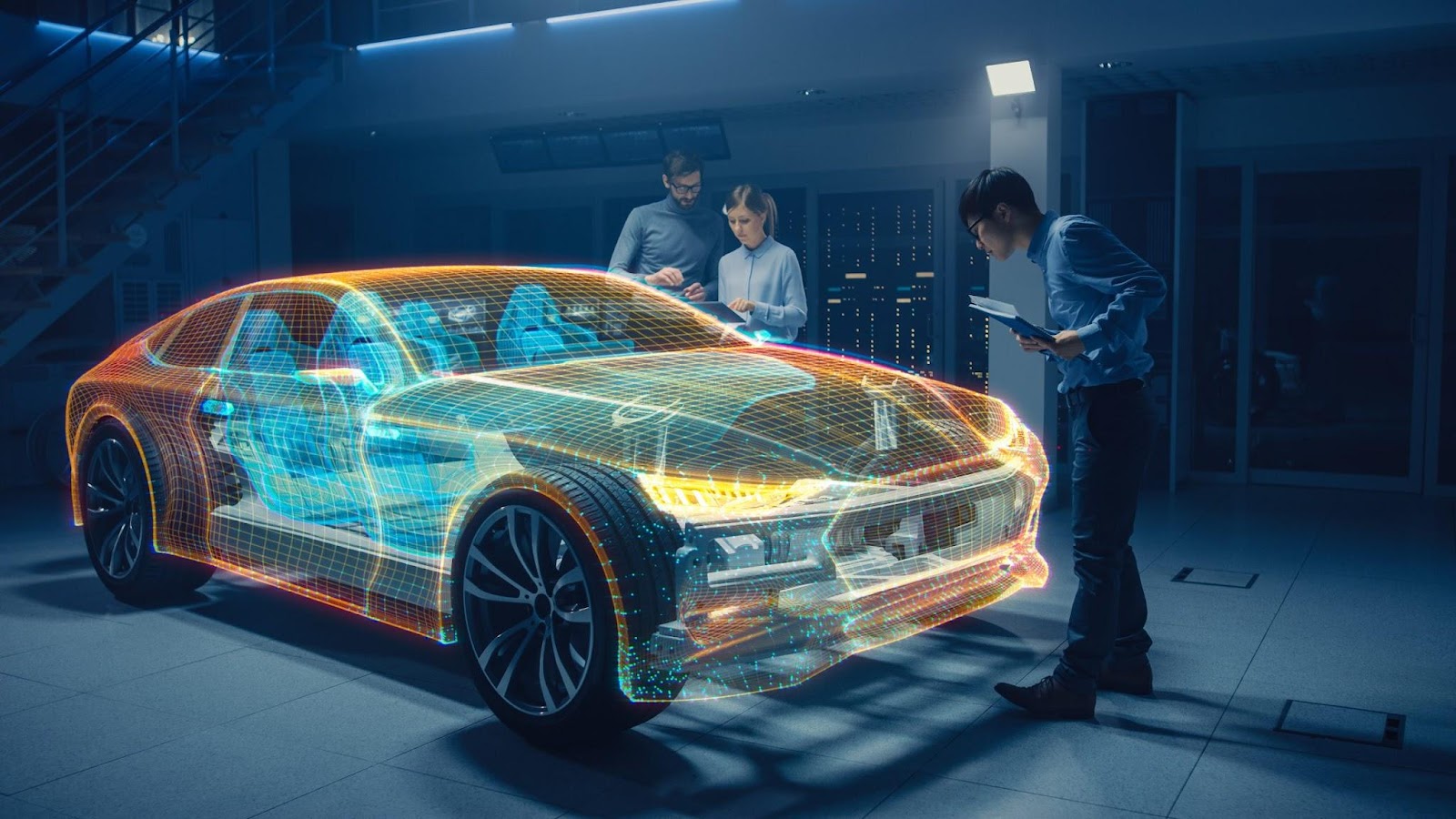
The automotive world is on the brink of a revolution as future automotive breakthroughs are reshaping how we drive, interact, and live with our vehicles. A blend of cutting-edge science, smart design, and visionary thinking is leading the charge in innovative car technology that promises to redefine every aspect of transportation. From electric propulsion to autonomous driving, the era of next-gen automotive innovations is here, paving the way for a world of driving future mobility.
The Rise of Electric Vehicles and Sustainable Energy
Electric vehicles (EVs) have long been heralded as the future of transportation, and recent advancements have only accelerated this trend. Modern EVs now offer impressive ranges, faster charging capabilities, and enhanced performance, all while reducing emissions and dependence on fossil fuels. Manufacturers are investing heavily in battery technology, pushing the limits of energy density and lifespan, and striving to make EVs more accessible to the masses.
This surge in innovative car technology extends beyond just electric powertrains. Companies are developing sophisticated regenerative braking systems that capture and reuse energy, optimizing overall efficiency. As these systems evolve, they are set to become the cornerstone of future automotive breakthroughs, transforming how vehicles manage energy on the road.
Autonomous Driving: The Road to Self-Driving Cars
Another monumental shift in the automotive industry is the development of autonomous driving technology. Self-driving vehicles are no longer a futuristic concept but an emerging reality. With sophisticated sensors, radar, and AI algorithms, these cars can navigate complex environments with minimal human intervention. Autonomous vehicles promise enhanced safety, reduced traffic congestion, and an entirely new way of experiencing mobility.
The integration of next-gen automotive innovations in autonomous systems is particularly exciting. Advanced machine learning models analyze real-time data to make split-second decisions, ensuring a smooth and safe ride. This transformative technology is not only about convenience; it’s about reimagining urban planning and infrastructure in a way that supports driving future mobility. Imagine a city where traffic jams are a relic of the past, and commuting becomes a seamless, productive part of your day.
Connectivity and the Internet of Vehicles
In today’s digital era, connectivity plays a pivotal role in enhancing automotive experiences. The concept of the “Internet of Vehicles” is revolutionizing how cars communicate with each other and with urban infrastructure. By integrating advanced telematics, real-time navigation systems, and predictive maintenance tools, modern vehicles become smarter, more responsive, and highly efficient.
These innovative car technology systems enable cars to share data about road conditions, traffic patterns, and even weather forecasts. This interconnected ecosystem not only improves safety but also allows for more efficient route planning and energy management. With these capabilities, the car becomes an active participant in driving future mobility, anticipating potential hazards and adapting to ever-changing conditions on the fly.
Advanced Materials and Manufacturing Techniques
Behind every breakthrough in automotive performance is a commitment to innovation in materials science and manufacturing. Lightweight composites, high-strength alloys, and 3D-printed components are reshaping vehicle design, reducing weight, and enhancing structural integrity. These advancements directly contribute to improved fuel efficiency and performance, creating vehicles that are both faster and more durable.
Modern production methods, such as additive manufacturing, allow for rapid prototyping and the creation of complex parts that were once impossible to produce using traditional techniques. This is a key driver in future automotive breakthroughs, as it enables manufacturers to experiment with bold new designs and optimize every component for maximum efficiency. The synergy between new materials and production technologies is paving the way for the next generation of vehicles that are not only stylish but also supremely functional.
The Transformation of In-Car Experience
Automotive innovation is not limited to propulsion or materials; it also touches every facet of the in-car experience. Modern vehicles now come equipped with advanced infotainment systems that integrate seamlessly with smartphones, voice-activated controls, and augmented reality displays. These features create a more engaging and personalized driving environment, turning every journey into a connected, interactive experience.
As part of innovative car technology, manufacturers are also focusing on interior comfort and ergonomics. Adaptive seating, climate control systems, and customizable ambient lighting all contribute to a luxurious and relaxing ride. Such enhancements ensure that as vehicles evolve technologically, they also cater to the human element, making driving more enjoyable and less stressful.
Global Implications for Urban Mobility
The ripple effects of these next-gen automotive innovations extend far beyond individual vehicles. Urban planners and policymakers are rethinking the very fabric of cities to accommodate smarter, more connected transportation networks. As autonomous and electric vehicles become more prevalent, the traditional concept of personal car ownership may give way to more efficient models like shared mobility services and dynamic ride-hailing systems.
These shifts are integral to driving future mobility, creating safer, cleaner, and more efficient cities. The integration of advanced traffic management systems and smart infrastructure will help reduce congestion, lower emissions, and create a more harmonious urban environment where vehicles and pedestrians coexist seamlessly.
Final Thoughts
The future of the automotive industry is bright and transformative. With future automotive breakthroughs leading the charge, innovative car technology is reshaping everything from powertrains to in-car experiences. The advent of electric and autonomous vehicles, coupled with cutting-edge materials and connectivity, is setting the stage for a revolution in driving future mobility.
This dynamic evolution is not just about improving performance—it’s about creating a holistic, sustainable, and enjoyable transportation experience. As vehicles become smarter and cities more connected, every ride will be smoother, safer, and more efficient. Embrace these innovations, and prepare to witness the dawn of a new era where technology and tradition merge to redefine the art of driving.

